Gonvarri Industries’ global workforce comprises 8,957 employees in 2025, compared to 9,268 employees in the 2024 financial year, representing a 3% decrease from the previous year.
In accordance with the scope of this Report, in 2025 Gonvarri Industries has 8,233 employees (7,699 direct and 534 external), compared to 8,413 employees (7,779 direct and 634 external) in the 2024 financial year, representing a 2% reduction in the workforce. The workforce by country is detailed in Appendix II.
The following facilities are excluded from the scope of the Report: the Gailp Pune plant (India), with 439 permanent employees and 285 external staff, as well as certain commercial entities of no material significance.
We prioritise local employment to create value in the countries where we operate. 87% of the workforce is locally recruited.
*The total number of employees at Gonvarri Industries differs from that published in the Annual Accounts because the scope of this report includes the Gonvvama division.
**The headcount calculation takes into account the number of hours worked (16,487,002), which may result in decimals in the overall figure. To simplify the presentation of results, the data is shown rounded and without decimals.
In all our offices and production centres, we guarantee full respect for the labour rights of our employees. We promote a working environment based on dignity, equal opportunities and mutual respect. We also encourage and protect freedom of association, trade union representation and the effective exercise of collective bargaining as essential pillars of balanced and transparent labour relations.
Our people management model incorporates clear policies on social dialogue, participation and consultation. We maintain open and ongoing channels of communication with workers’ legal representatives, facilitating the constructive resolution of disputes, the improvement of working conditions and the development of agreements that contribute to well-being and productivity. Furthermore, we promote continuous training on labour rights and relations for middle management and senior leadership teams, with the aim of ensuring the consistent application of our policies on a global scale.
Within the supply chain, we carry out regular assessments of our suppliers using ESG criteria, including respect for human and labour rights, health and safety, and environmental protection. To date, no suppliers have been identified where freedom of association or the right to collective bargaining is violated or threatened. We have audit and verification mechanisms in place to detect potential risks at an early stage, as well as contractual clauses requiring compliance with labour standards aligned with ILO principles and our internal policies on responsible conduct. We also have a code of ethics and conduct for suppliers, to which they must adhere.
Collective agreements or similar arrangements regulate working conditions (wages, working hours, holidays, etc.) and the relationship between the company and its employees. By 2025, 77% of the workforce was covered by collective agreements.
In some countries where collective agreements do not apply, working conditions are set out in so-called ‘Handbooks’ or the country’s labour regulations are applied directly. By 2025, 19% of the workforce was covered by a Handbook and the remaining 4% was subject to the country’s own labour legislation.
People Growing Together is Gonvarri Industries’ talent management model. Based on the employee lifecycle, the model is organised into different ‘families’. Each of these develops initiatives that address the needs at the different stages an employee goes through within the company. The model aims to serve as the benchmark for talent management across the group, normalising, standardising and mainstreaming its content across the various companies.
In 2025, we continued to implement a comprehensive talent management system using the SuccessFactors tool, with the aim of making it the company’s primary HR data management tool.
To continue developing the People model, work will be carried out in 2026 on the following guides:
Atraction Guide
Recruitment Guide
Onboarding Guide
Offboarding Guide
Development of the People Growing Together Model
Talent Attraction
The Attraction family within the people management model focuses on strategies and actions designed to attract the best candidates to the company and promote a positive image of the company as a leading employer brand. Gonvarri Industries’ main objectives are:
Qualified candidates: to identify and attract qualified professionals with the skills and competencies we require.
Employer Branding: building, enhancing and promoting a strong and attractive employer brand. Effectively communicating the company’s values, culture, development opportunities and benefits of working there.
Reputation and visibility: participating in industry events and conferences, maintaining a presence on social media, and undertaking other public relations activities that promote the company’s image and reputation.
Generating interest and engagement by creating engaging and relevant content, such as blogs, videos and employee testimonials, which highlight positive experiences and opportunities for growth.
Throughout 2025, the following actions, amongst others, continued:
Posting vacancies across all available channels (in-house noticeboard, LinkedIn, job websites, etc.)
Partnerships with schools, colleges and universities.
Talks at schools, colleges and universities.
Hibrid training (School/Universoty – Company).
Participation in job fairs.
Posting company news on LinkedIn.
Relationships with local organisations: partnerships with federations, local councils and other organisations are key to strengthening links with talent and the local community.
Recruitment / Selection
This focuses on identifying, assessing and selecting the best candidates to ensure an efficient and effective recruitment and selection process.
The main objectives:
Identifying recruitment requirements: Defining the requirements and necessary skills for a vacant position, identifying the ideal candidate profile.
Attracting candidates: The aim is to attract qualified and suitable candidates by advertising job opportunities through various channels: job boards, LinkedIn or other professional networks, and partnerships with educational or government institutions.
Candidate assessment and selection: Design and implementation of effective selection processes, including interviews, technical tests, skills assessments and employment references, in order to identify the candidates best suited to the role and the organisation.
The Selection Guide has been created at Head Office, which contains:
Guidelines regarding the policies we must follow in recruitment
Information on how to conduct a structured interview
Tips for avoiding mistakes during interviews
Onboarding
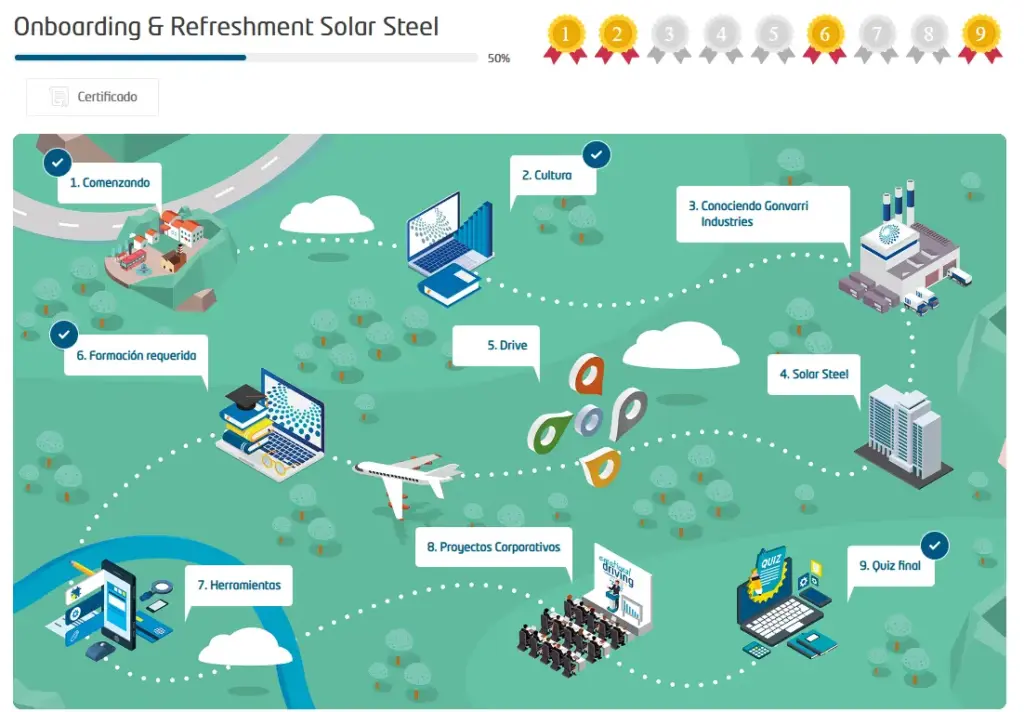
From an onboarding perspective, work has continued on preparing the training programme in the Academy for Gonvarri Solar Steel, which was launched in January and complements the one previously launched in Madrid.
Furthermore, the Learning & Knowledge department continues to make progress in setting up this induction programme for new recruits across the group’s various plants, preparing standardised content for all of them and creating a dedicated space on the training platform for each plant.
Furthermore, an Onboarding Guide will be launched in 2026, the main aim of which is to ensure the integration of new Gonvarri employees, improving their experience throughout the onboarding process and ensuring the effective transmission of our company’s culture and values.
At Gonvarri Industries, we regard training as a key pillar in the continuous development of our people and as a strategic element for preserving knowledge of the various processes within our company.
This year, 196,705 hours of training were delivered, an average of 25.5 hours per employee and a 22.4% increase compared to the previous year’s training hours.
Through our Academy training platform, more than 5,500 active employees completed a total of 5,722 hours of training during the reporting year.
The training hours are broken down by category and gender in Appendix II.
Below are some of the initiatives and projects carried out in 2025
Corporate training on Digital Workplace adoption and Copilot Chat
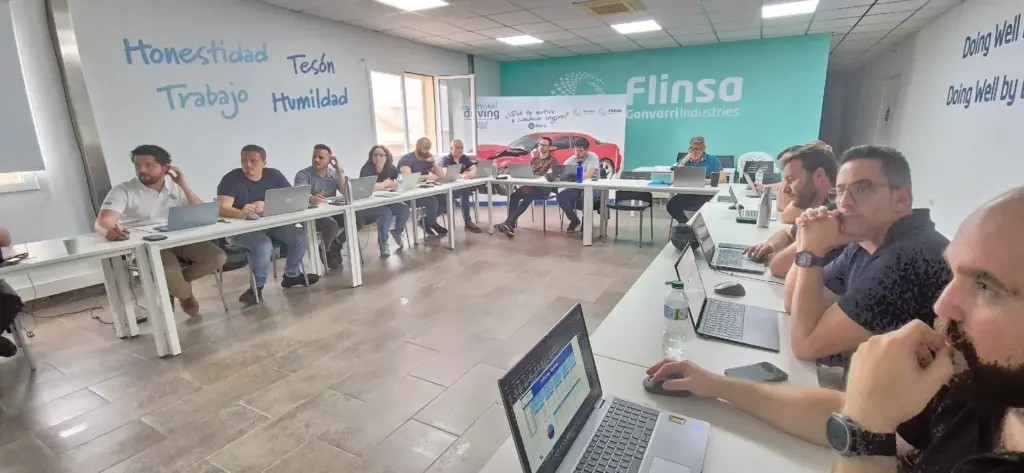
Power BI training at head office and at FLINSA.
Training on the Pay Transparency Directive
Online languages: once again, the online language training programme has been launched, receiving a warm welcome and attracting 187 participants from various plants and the corporate office.
In addition to the various mandatory compliance-related training courses, it is worth highlighting the launch of new learning pathways tailored to different skill levels in English, Portuguese, German and Spanish.
It is worth noting that, in addition to this launch, a training programme in Polish was also launched between June and October 2025.
SP Tour 2025
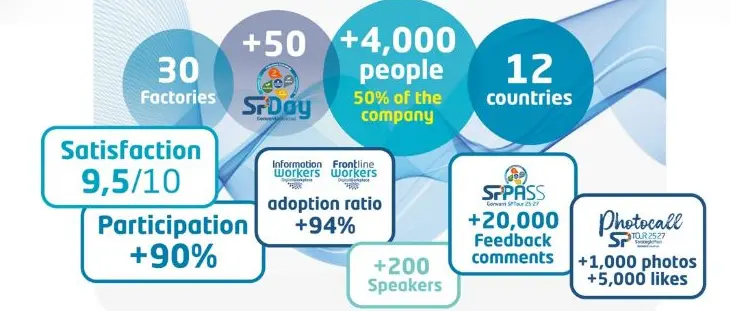
The Strategic Plan Tour is a global initiative designed to bring the new strategic plan to all teams across the Group. Through an international tour of our workplaces, we managed to connect with over 4,000 people across 25 factories in 12 countries. The SP Tour established itself as one of the most significant internal initiatives of the year, with over 50 SP Days focused on sharing our vision, strengthening our culture and promoting a cross-functional understanding of our strategic priorities.
Participation rate of over 90%.
Satisfaction rating of 9.5/10.
Over 200 speakers providing insight and inspiration.
Engagement activities such as SP Pass and Photocall, which generated over 20,000 comments, 1,000 photographs and 5,000 interactions.
The SP Tour not only enabled us to communicate the Group’s strategy; it also reinforced our shared vision, driving sustainability, innovation and cohesion among teams across all regions.
5. Assessment and Development
In Performance & Development, we work to provide activities, resources and methods to promote exceptional individual and collective performance, as well as to foster the professional growth of all employees.
Job security is a way of demonstrating trust in the team and in long-term relationships. For this reason, 89% of Gonvarri’s professionals are on permanent contracts and 96% are full-time. We also promote local employment, with 87% of employees being local nationals.
5.1. New Hires
(401-1)
Recruitment
There were a total of 1,098 new hires among permanent staff, distributed as shown below:
Turnover
A total of 938 people left the company among our own staff:
This represents an average turnover rate of 12% (13% for men and 11% for women).
Further information on recruitment and turnover can be found in Annex II.
5.2. Internal promotion
The internal promotion process enables professionals to take on new responsibilities and challenges that enhance their performance, motivation and commitment to the company.
To encourage internal promotion, job vacancies are regularly published via ‘Job Posting’ on the corporate intranet or through other channels such as noticeboards, email, etc. This enables certain internal positions to be filled. Interested candidates undergo interviews with representatives from the human resources department and the department requiring the post, in order to select the most suitable candidate.
The significant decrease in internal movements compared with the previous year is explained by the low staff turnover recorded within the company.
5.3. Performance evaluation
(404-3)
The Management by Objectives system provides a framework for assessing individual objectives and competencies. A total of 601 assessments were carried out, as shown in the table below:
Furthermore, most factories/business units have their own performance appraisal systems, in some cases covering 100% of employees. Below, we summarise the distribution of appraisals by factory and country:
In the reporting year, 77% of the total workforce at Gonvarri Industries took part in a performance appraisal process.
5.4 Workplace Climate Survey
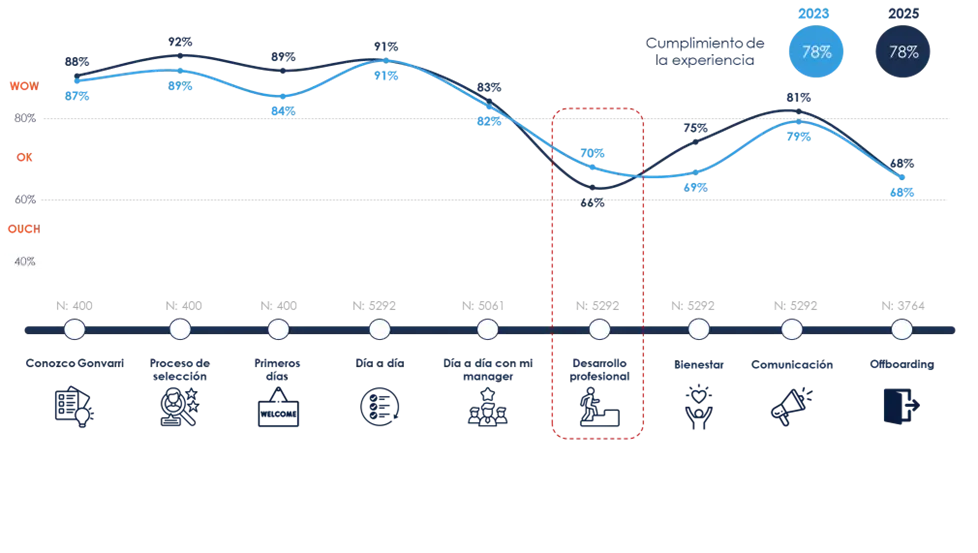
This year we conducted the 6th Global Climate Survey – Employee Experience. The number of participating companies has recently increased with the inclusion of new plants such as HIDRIA, RECA, H2GREEM and Riera Tutó.
Once the response collection period closed, an employee experience score of 78% was obtained, with a participation rate of 76% (over 5,200 responses).
The results obtained are used to implement various action plans, to further consolidate the personnel management model and to improve people’s day-to-day experience.
6. Remuneration, benefits and mobility
Its objective is to manage the policies and practices relating to the compensation and benefits offered to employees, as well as to facilitate internal mobility, taking into account both the expectations of staff and legal requirements and internal policies to prevent discriminatory practices and promote equal opportunities for all employees.
6.1. Compensation
In line with its corporate human rights policy, Gonvarri Industries aims to ensure that 100% of its employees receive a decent and adequate wage, above the minimum levels established by local legislation in each country. This wage is intended to meet the basic needs of workers and their families, taking into account the duties performed and the length of the working day. We adhere to the standards of the International Labour Organisation (ILO) and applicable legislation, ensuring an appropriate work-life balance, including the regular payment of overtime, as well as holiday and rest periods.
6.2. Flexible remuneration and social benefits
(201-3 and 401-2)
The aim is to provide a package of benefits that meets employees’ needs and promotes their well-being. This involves identifying flexible remuneration strategies and the benefits most valued by employees, adapting them to local preferences and circumstances, such as:
Health insurance
Meal vouchers
Travel card
Childcare vouchers
Life insurance
Disability insurance
Transport service
Canteen
Maternity/Paternity Leave
Other Employee Benefits: Various additional benefits include gifts for new births, Christmas hampers, access to gyms, support for sporting activities, laundry services, recognition of staff length of service, improved statutory leave entitlements and flexible working hours to promote work-life balance.
Distribución Porcentual de Retribución Flexible
6.3. Pension funds and retirement schemes
(201-3)
These benefits are available in some countries due to local regulations or historical commitments. In places such as the United Kingdom, Germany and Sweden, pension funds are offered.
6.4. Mobility
The “Start-up and Support Teams” system offers employees the opportunity to participate in international projects, collaborating with teams from diverse cultures through temporary assignments in other countries. Employees are involved in critical tasks such as opening new plants and managing challenges related to production and machinery, amongst others. Furthermore, these teams facilitate the transfer of knowledge and know-how, enriching skills and working methodologies.
At Gonvarri, we firmly believe in the importance of diversity, equity and inclusion within our organisation and strive to create an environment where every employee feels valued, respected and has equal opportunities.
Diversity: We value diversity in all its forms: race, gender, age, sexual orientation, religion, disability and ethnic origin.
Equity: We strive to ensure equity in all our practices and decisions. We work to remove any barriers or discrimination that may hinder the professional growth and success of our employees.
Inclusion: We foster a collaborative and welcoming working environment, where everyone’s opinions are heard and respected. We promote creativity, innovation and the performance of our teams.
In accordance with Royal Decree 902/2020, we have implemented Equality Plans in all our offices and factories in Spain. Furthermore, our approach to equality and non-discrimination has been incorporated into all collective agreements and specific handbooks covering 96% of the workforce. In 2024, the Woman of Steel programme was launched as a mandatory initiative for all employees to promote diversity and equality amongst all staff.
As for professionals with disabilities, we have 178 people (126 men and 52 women). The following table shows their distribution:
We maintain close collaboration and develop initiatives with Special Employment Centres. This enables us to integrate people with disabilities and/or at risk of social exclusion. Among other things, the Corporate Office supports the Juan XXIII Roncalli Foundation, whilst at a local level, the factories carry out various initiatives.
8. Employee retention and wellbeing
At Loyalty & Wellness, we work to promote the general wellbeing of employees. These initiatives include measures such as improved flexibility in working hours, intensive working days, improvements to facilities and new options for sporting activities. We seek to foster a healthy working environment and improve the quality of life of employees within the company.
8.1. Wellbeing programmes. “Be Healthy” programme
(403-6)
Throughout 2025, a number of significant activities have been carried out with the aim of encouraging the adoption of healthy habits and participation in sport among Gonvarri’s staff.
The following are particularly noteworthy:
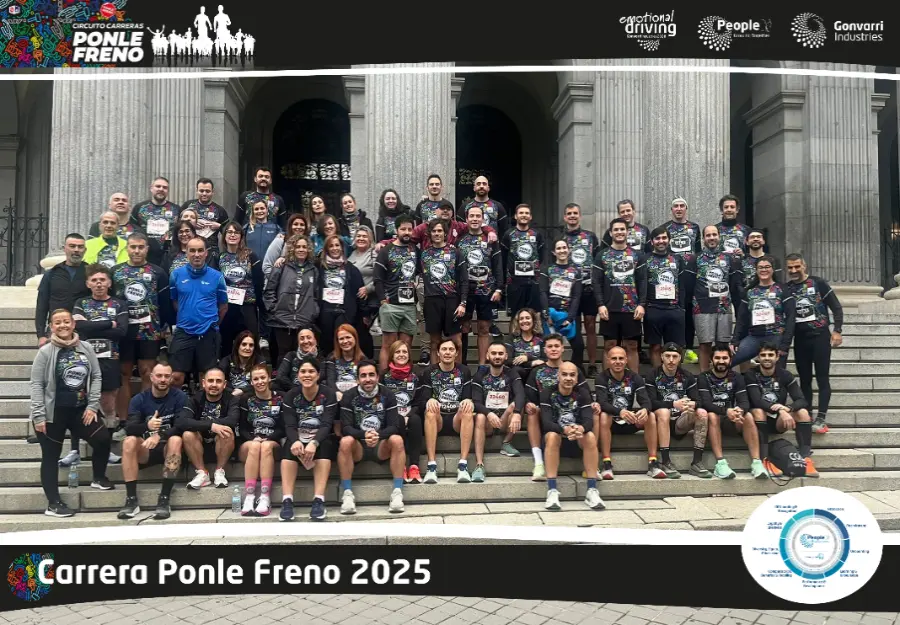
Participation in the Ponle Freno Race in Madrid: more than 60 runners from our company took part in the latest edition of the Ponle Freno race.
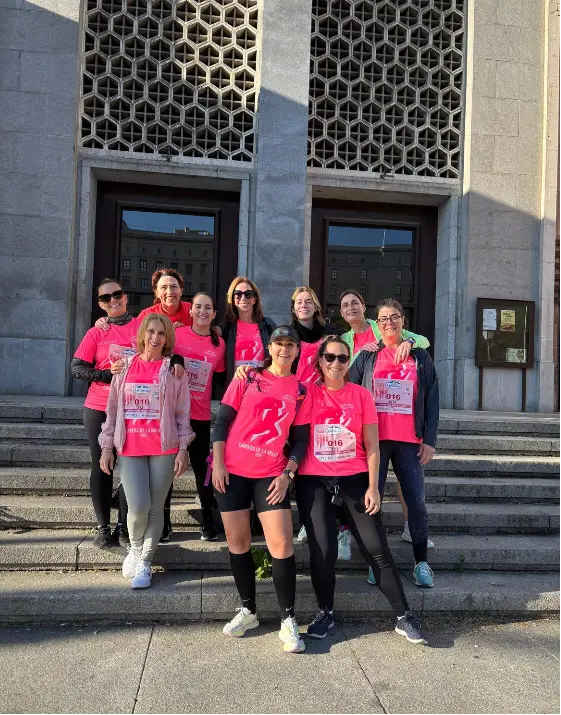
Participation in the 2025 Women’s Race: Gonvarri’s female runners took part once again in the Women’s Race held in Madrid, with nine representatives from the Corporate division.
Conducting body composition studies at Gonvarri Madrid to promote healthy habits among employees.
Padel Week held at the Francisco Riberas Pampliega Sports Courts
Functional training sessions every Tuesday and Thursday
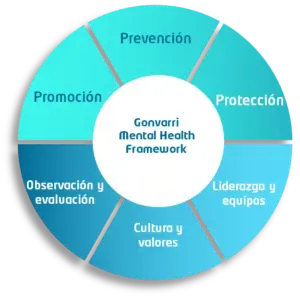
8.2. Mental Health Programme
In 2025, the company began implementing a Mental Health Programme as part of its commitment to being a ‘healthy organisation’, understood as one that goes beyond mere legal compliance in prevention to promote the physical, psychological and social well-being of its employees.
We aim to achieve the following objectives:
To provide psychological support and security to our employees.
To prevent and manage psychosocial risks.
To help identify early signs and symptoms, alongside early diagnosis and care, to prevent the development of clinical conditions or harmful behaviours.
To improve productivity, workplace atmosphere and staff retention.
To help reduce absenteeism caused by psychological problems.
To improve quality of life at work by addressing the factors that influence it.
Normalise and prevent stigma associated with these conditions.
8.3. Work flexibility: Work organisation, work-life balance measures and digital disconnection
(401-3, 401-4)
Work-life balance is one of the aspects most valued by Gonvarri’s staff. Consequently, in the offices, staff enjoy flexibility regarding holiday dates, start and finish times, and intensive working days in summer.
In the factories, due to the nature of the business, operations continue uninterrupted and sometimes run 24 hours a day, meaning certain groups have to work shifts. This organisation of work does not prevent Gonvarri from encouraging the rotation of such shifts with the aim of facilitating the adjustment of working hours to individual needs.
A notable example is Gonvauto Navarra, which has been awarded the “Reconcilia” seal in recognition of its efforts to balance work, family and personal life, promoted by Amedna and the Employment Service of the Vice-Presidency for Economic Development of the Government of Navarre.
To address these issues, the group has:
Working Conditions Policy
Digital Disconnection Protocol
With regard to maternity and paternity leave, there were a total of 280 cases in the reporting year, 1% more than the previous year, comprising 214 men and 66 women. 97% of men and 88% of women remain with the company following their paternity/maternity leave.
9. Recognition
The Recognition framework plays an essential role in fostering a corporate culture focused on appreciating and celebrating individual and collective achievements. This area encompasses initiatives designed to highlight significant milestones in employees’ careers, including the commemoration of years of service, retirements and other outstanding contributions.
10. Termination Process
The management of separation processes is an essential part of the employee lifecycle and is handled with fairness, respect and responsibility. Employees may terminate their employment with the company in various ways: voluntary or involuntary separations
As part of this commitment, in cases of voluntary resignation, an exit interview is conducted to understand the reasons behind the decision. This analysis helps identify opportunities to improve the employee experience, generate insights and reinforce active listening within the organisation. Similarly, Gonvarri Industries offers the option of an exit interview during retirement processes, to gather further information regarding the employee’s career journey and draw conclusions that enable the improvement of internal processes.
In the case of involuntary terminations, the company applies a specific protocol designed to ensure a rigorous, transparent and respectful process. These situations may arise from organisational needs, disciplinary reasons or other circumstances. The process is managed in accordance with strict criteria regarding regulatory compliance, confidentiality and support for the affected individual.
Since 2007, Gonvarri Industries has maintained a robust Health and Safety Management System based on the Corporate Policy “POL014 Declaration of Principles on Occupational Health and Safety” established by its Chairman. The aim of this system is to provide optimal working conditions in the workplace, integrating Health and Safety from the design stage of every new piece of equipment or process and promoting the elimination of risks at source through a technical approach. Furthermore, it involves a clear commitment from management and the integration of health and safety at all levels and across all departments of the organisation through global policies that distribute responsibilities for risk control and continuous improvement throughout the organisation at every level of the hierarchy, encouraging employee participation and consultation.
The Group is resolutely promoting five key pillars to improve the safety culture:
A commitment to safety on the part of corporate management and each company.
Continuous improvement to ensure the identification of risks, areas for improvement and the implementation of action plans.
Integration of safety into the chain of command with clear allocation of responsibilities to each member of the organisation.
Training of employees and the promotion of consultation and participation in improving safety and ergonomic conditions.
Technical systems that ensure risks are eliminated at source.
This commitment to the continuous improvement of safety conditions is reflected in the investments of over €18.5 million that the group has made since 2020 in improvements to the health and safety conditions of its equipment and facilities, based on experience gained from incidents, established best practices, and state-of-the-art technological developments, exceeding the minimum legal requirements in most cases.
In 2011, Gonvarri Industries launched the “Un Paso Adelante” programme, establishing its own Health and Safety model that goes beyond regulatory compliance. In 2014, a Health and Safety pillar was included in the Strategic Plan, applying it to all processes, including procurement and new business design, to ensure compliance with Health and Safety legislation. In 2017, the “Doing Well by Doing Safe” plan was developed to improve the culture of prevention, encouraging employees to identify hazards and risks through established channels without any repercussions.
The company applies the ISO 45001 standard as a common framework for occupational health and safety management, covering both its own and external personnel, reinforcing the protection of individuals through the systematic identification of hazards, the assessment and control of risks, and the implementation of preventive measures aimed at reducing accidents and occupational illnesses.
This approach facilitates compliance with applicable legal requirements and provides a solid foundation for internal and external audit processes, integrating health and safety into operational management and decision-making. The standard thus helps to consolidate a shared culture of prevention, aligned with the organisation’s commitments to sustainability, people’s well-being and corporate responsibility.
In 2025, 65%* of the group’s factories were certified under the ISO 45001 standard, covering 82%* of staff.
The difference is due to the group’s inorganic growth, incorporating factories that are not yet certified.
In 2026, Gonvarri Industries set a target to achieve 90% coverage of employees under the ISO 45001 standard by 2030, using the scope of wholly-owned subsidiaries as at the end of 2025 as the base year.
External audits complement a rigorous system of internal audits carried out in accordance with corporate policies and procedures, with results that demonstrate the level of maturity and excellence in Health and Safety management, and the progress and advancement of the companies in this regard.
Furthermore, with regard to certifications, GONVAUTO GALICIA S.A. holds the Healthy Workplace certification for its workplace, which attests to the systematic integration of health, wellbeing and safety criteria into sheet metal storage and cutting activities. This certification reinforces a preventive approach aimed at protecting workers and continuously improving working conditions.
Its implementation helps to consolidate an organisational culture based on prevention, care for physical and psychosocial wellbeing, and the improvement of the working environment, complementing existing health and safety systems. In this way, the certification underpins the company’s commitment to continuous improvement, quality of working life and sustainability in people management.
Two platforms are used in the Health and Safety area to monitor indicators:
Sygris: Used for comparative monitoring, it consolidates the investigation of incidents and accidents at plants, as well as proactive performance indicators and policy compliance. It provides employees with access to up-to-date and comparative data on accident rates and other indicators.
CTAIMA 2.0: Used at our sites in Spain, Portugal and Mexico, it manages the information and documentation of external companies accessing our workplaces. It monitors and records the documentation provided by and required of these external companies, not only to ensure legal compliance, but also to guarantee safety whilst they carry out their activities at our workplaces.
These platforms provide comprehensive management and effective control over health and safety issues relating to tasks carried out by both our own employees and external personnel accessing our facilities (contractors, subcontractors, workers from temporary employment agencies, visitors, transporters, etc.), whose safety is equally taken into account in the Group’s policies. This coordination aims to safeguard the safety of these operations and mitigate potential risks arising from the coexistence of staff from different backgrounds within our plants.
In 2025, Gonvauto Iberia was recognised at the European Awards for Good Practice in Healthy Workplaces, organised by the European Agency for Safety and Health at Work, for its work on the digitalisation and documentation of the implementation of Health and Safety policies. They presented their project at the conference organised by the National Institute for Safety and Health at Work in Spain.
Furthermore, Gonvauto Navarra was awarded a prize by the Mutua Universal accident insurance scheme at the 10th edition of the Innovation and Health Awards in the Large Enterprise category for these management tools that facilitate compliance with and the documentation of risk control requirements in the workplace and in the activities carried out.
Responsibilities and functions
The policy set out by Gonvarri in 2007 establishes that Health and Safety must be comprehensive and integrated throughout the organisation. The management and senior leadership of the companies are committed to the corporate Health and Safety policies, leading the monitoring of the management system and the annual planning, for the design, approval and implementation of which they are responsible. This commitment extends throughout the organisation, including investment in improvements and direct communication with employees to assess and improve working conditions and their perception of the company’s existing safety culture. For the past 15 years, the senior management of each company has held monthly meetings with the entire Management Committee to monitor the system. Furthermore, daily meetings address safety-related issues, reviewing matters such as accidents, staff reports and inspection results.
Responsibilities for managing the system are clearly defined and cover all levels of the company. Each company implements the corporate document that explicitly standardises the functions and roles of each member of the structure in this area, and sets out what is expected of each of them to ensure the effective vertical and horizontal integration of safety within each company. Supervisors and Department Heads play a key role in the supervision, inspection and assessment of risks, acting as role models for Health and Safety policies.
In addition, each plant has staff specialising in Health and Safety, who advise on and coordinate the implementation and monitoring of policies, adapting to the specific needs of each location.
Following a significant reduction in accidents and improvements to workplaces at Gonvarri, a plan was launched in 2017 to raise Health and Safety awareness among all employees, emphasising the importance of correctly applying roles and responsibilities according to one’s position in the hierarchy. The “Doing Well by Doing Safe” Health and Safety Plan introduced measures aimed at fostering a safety culture, reinforcing the motto “Stop > Think > Act”, which promotes conscious and safe actions. This plan also encourages “Shared Safety”, where each employee takes responsibility not only for their own safety but also for that of their colleagues, collaborating in training processes.
Improvements to working conditions
Significant investments have been made across all plants to improve them, in line with corporate technical specifications, best practices and reports on accidents and incidents.
Each plant’s Maintenance Plans include the inspections, checks and preventive maintenance necessary to ensure the good condition and operation of safety equipment and devices, with internal channels for reporting incidents. In this regard, Corporate Management has approved, within the scope of Compliance, the standardisation of the necessary and sufficient procedures to maintain the safety systems of machinery and production lines in perfect working order, not only through these quarterly internal inspections but also through triennial compliance audits of this equipment carried out by specialist external firms.
Finally, supervisors carry out documented monthly inspections to monitor safety conditions in the workplace, identifying deviations and planning corrective actions to maintain safety standards.
Preventive leadership
During the reporting year, Gonvarri Industries has continued to promote various initiatives to strengthen this preventive approach to Health and Safety. With a focus on activating leadership in safety, the company concentrates on effective communication with employees and on encouraging their participation using existing tools such as Chasing Risks, One to One, and Improvement Ideas, amongst others. This additional effort complements those already undertaken to build an organisational culture where safety is the defining characteristic for everyone. This ambition aims to achieve the ultimate goal of zero accidents.
The Gonvarri Group’s factories have achieved significant milestones in occupational health and safety, celebrating days without accidents resulting in sick leave.
New employees must undergo medical examinations based on specific protocols tailored to the role they will perform. These examinations determine their medical ‘fitness’ for the role. Furthermore, all employees are entitled to periodic medical check-ups, following the same protocols, after which their ‘fitness’ status is updated. The monitoring and control of employees’ health status is outsourced and carried out by authorised medical services, in accordance with current legislation. Notable examples include the availability of an on-site medical service or the provision of private health insurance as a benefit in some countries, as well as initiatives aimed at improving healthcare.
“Occupational Risk Assessments” are essential for identifying and measuring workplace risks associated with different activities and roles. They are used to define preventive measures, both technical and organisational, including employee training, to mitigate or eliminate risks. These assessments are constantly updated, particularly following changes in working conditions or in the organisation of tasks, or as a result of in-depth analyses carried out during investigations into incidents and accidents.
In 2025, five job roles were identified as being at high risk of occupational disease, compared with four identified in 2024.
In 2025, 4 cases of occupational diseases were recorded, compared to the 3 cases detected in 2024.
Based on these assessments, Safety Instructions are drawn up for the activities carried out, standardising the procedure to be followed in each case, whether for routine or occasional tasks. These Instructions are living documents that are continuously updated, just like the Risk Assessment (and for the same reasons as those), and require approval from supervisors. They constitute the guidelines and standards that employees must follow to control risks that could not be eliminated through technical measures at their source, and form the basis of the training content provided to workers in each role or task.
Furthermore, the assessments cover the identification and evaluation of exposure to physical (noise, lighting, vibrations, etc.) and chemical contaminants, as well as exposure to ergonomic factors, carried out by specialist staff using calibrated equipment and always following standardised methodologies. Companies are responsible for managing these results through action plans arising from these assessments to ensure a safe working environment.
Ergonomics
In 2025, a new Global Health and Safety Plan was launched, in this instance, with the main systems for controlling occupational health and safety risks already in place, focusing on improving ergonomics in the workplaces and activities carried out at Gonvarri.
The principles guiding the development of this Plan are those that guide us in Health and Safety at Gonvarri:
Elimination of risk at source through the provision and implementation of technical measures.
Systems that guarantee continuous improvement in this area, with a particular focus on employee participation in the improvement process.
Action targeting people, their behaviour and their habits.
To draw up and explain the plan, a framework guide for the development of actions and good practices in the field of ergonomics has been established, along with a catalogue of technical measures to reduce ergonomic risk levels, tailored to the activities, hazards and risks present in our companies.
The plant plans (based on a corporate model but tailored to each company) have a three-year implementation period (2025–2027) and are subject to regular monitoring.
All documentation relating to this Plan, the guidelines, best practices, presentations made to the companies, activity plans for the coming years, etc., are also available on a dedicated SharePoint site for global consultation.
Key indicators
The accident data included in this section covers not only our own staff, but also subcontractors and temporary employment agencies, in accordance with the Group’s policy whereby any employee carrying out duties at our workplaces must be included in our health and safety management system.
Number of accidents
Accident rate resulting in sick leave
Accident rate Without lost time
Days lost due to accidents (severity rate)
Days lost for other reasons
In 2025, there were a total of 113 accidents resulting in sick leave and 298 accidents not resulting in sick leave.
Frequency rate:
No. of accidents resulting in sick leave among own staff / hours of actual attendance × 1,000,000
No. of accidents Without lost time / hours of actual attendance × 1,000,000
The group’s aggregate frequency rate fell from 6.8 in 2023 to 6.2 in 2024 and rose to 6.6 in 2025, representing a 3% improvement since 2023.
Target for 2026: a 5% reduction in the frequency rate compared to 2025, covering own operations (financial control) and companies under operational control.
At Gonvarri Industries, all accidents and incidents occurring at its facilities are recorded and analysed, even though many accidents resulting in sick leave are not significant from a preventative perspective. It is worth noting that one in four accidents involving personal injury leads to sick leave, which highlights the need to explore measures to manage absenteeism.
During 2025, companies that have recently joined the Group and are already aligning with our policies, principles and systems have made a decisive contribution to these indicators: almost a third of accidents resulting in sick leave occurred within the Hidria Group (which accounted for less than 20% of the Group’s total hours worked) and more than 10% of these accidents occurred within the Láser Group (which accounted for only 3%).
Hands are the part of the body most affected by accidents, mainly due to blows and not necessarily cuts.
In the last year, no serious accidents were recorded among our own staff, subcontractors or temporary agency workers.
However, continuous improvement is recognised in the identification, reporting and analysis of ‘incidents’ which, although they have not caused injury, are crucial for future learning and prevention.
It should be noted that the plants continue to improve in the identification, reporting and analysis of ‘incidents’ which, although they have not caused personal injury, could have done so under different circumstances, and their study is very useful for future learning and continuous improvement.
Days lost due to accidents
Accidents recorded in 2025 resulted in 3,610 working days lost due to accidents. The rates by country are summarised below..
The group’s aggregate severity index fell from 0.21 in 2023 to 0.18 in 2024, and rose to 0.22 in 2025, increasing by 4.8% since 2023.
Days lost due to other causes
In 2025, 78,936 equivalent days were lost due to unplanned absenteeism, 33% more than the previous year. The rates by country are summarised below.
Health and Safety training and awareness is a cornerstone of the company’s culture. Specific training needs are identified for each role, ensuring that every employee receives comprehensive and up-to-date training every three years to gain a thorough understanding of their role.
All employees, including staff from temporary employment agencies and subcontractors, receive Health and Safety training in line with corporate policies. In 2025, more than 64,000 hours were invested in Health and Safety training. In addition, more than 5,600 hours of training were provided to staff from temporary employment agencies, as these staff members must also be trained internally in accordance with corporate policies.
In 2026, Gonvarri Industries set a target to achieve, by 2030, more than 5 hours of health and safety training for every 1,000 hours worked, taking into account both its own staff and staff from temporary employment agencies.
Communication, consultation and participation
The “Leading the Change” programme originally created a specific Health and Safety group, which had over 600 members.
In 2025, this group on the platform was transformed and moved entirely to a new corporate website on SharePoint, accessible to every single member of the organisation.
This repository contains, amongst other things:
Corporate management policies and procedures
Technical specifications
Supporting documentation and templates
Accident and incident reports
Safety Video Channel
Contents of mandatory training courses
Half-yearly performance reports
Safety Tips
Information Blog
These resources form part of an ongoing effort to improve Health and Safety across all the Group’s facilities, to convey the company’s commitment to continuous improvement in this area of management, and to establish a consistent and recognisable model for the Group regarding its approach to this field of management.
The discussion forums with the workers’ legal representatives are made up of the Health and Safety Representatives in Spain in accordance with applicable legislation (Chapter V of Law 31/1995 on Occupational Risk Prevention), forming a joint committee composed equally of representatives from the workers’ side and individuals appointed by the company.
Employee consultation and participation is carried out through Management System tools designed to promote, encourage and even drive their contribution to improving working conditions and even the Management Systems.
(403-4 and 403-7)
Top 5: A forum for two-way information and consultation at the start of each shift, where safety issues are addressed first by sharing information and analysing potential situations in small groups, thereby fulfilling the company’s duty regarding information and communication with employees.
Chasing Risks: Workshops where multidisciplinary teams of employees from various roles analyse working conditions and propose improvements during a final brainstorming session based on direct observation, focusing on the perception of risks.
One-to-one observations and interviews: Review of behaviour and working conditions by managers from each company, followed by informal discussions with employees regarding possible improvements to conditions, the system, etc., during which the true level of perception of the safety culture on site is gauged and management’s concern in this area is conveyed
Ideas for Health and Safety Improvements: A channel for employees to voluntarily propose improvements in safety and ergonomics in activities, workstations and processes, with a commitment from the company to analyse and, where appropriate, reward and implement these ideas as promptly as possible.
Safety Stewards: An initiative rolled out across several plants to improve communication on Health and Safety matters.
Coordination with external personnel
The companies have established systems and channels for coordination with external firms (contractors, subcontractors, temporary employment agencies, transport providers, visitors, etc.) to ensure that their employees have the same safety guarantees as the company’s own staff and neither experience nor cause incidents whilst carrying out their work. This coordination includes informing these companies of the risks associated with their presence in the workplace, as well as managing risks arising from their activities and mutual risks due to the presence of staff from different companies in the same location.
Part of this coordination involves an exchange of documentation, whereby contractual conditions are communicated and records are required to demonstrate the safety measures planned by these external companies. This covers both risk prevention in the performance of their work and the suitability of the personnel and equipment accessing the workplaces.
In addition, special checks are carried out on site to monitor and ensure compliance with safety principles that are familiar to staff but may not be standard practice for these external companies, and which must always be adhered to.
Emergency management
Each organisation has identified potential emergencies at its facilities, such as fires, natural disasters, accidents, rescues, etc. For each type of emergency, specific technical means and human resources are established to ensure efficient management and minimise the impact.
The necessary actions are planned to ensure the effectiveness of these measures in real-life situations. This includes the availability, upkeep and maintenance of the equipment required for each situation. Furthermore, teams are designated, updated and trained to respond to each emergency (intervention, assistance, first aid, evacuation, communication with external emergency services, etc.), ensuring they have up-to-date and appropriate training for their assigned roles and tasks.
Customers
1. Customer proximity
At Gonvarri Industries, the customisation and continuous improvement of products and services are key. To achieve this, we have sales teams specialised by business type and product, offering specific support and proactively identifying customer needs.
With a focus on Innovation and Competitiveness, we provide cutting-edge solutions in Sustainability, in both steel and aluminium. This customer focus is an intrinsic part of Gonvarri Industries’ DNA, extending beyond the sales teams to all departments, regardless of their direct interaction with the customer. Gonvarri Industries views the customer relationship as a close collaboration, seeking common goals in a mutually beneficial relationship and fostering long-term partnerships.
1.1. Automotive Solutions
Automotive represents one of the fundamental pillars of Gonvarri Industries’ business and is one of the areas contributing most to the group’s revenue. Our customers include the sector’s leading players, such as OEMs, as well as Tier 1 and Tier 2 stampers and integrators. The Global Automotive Sales Division comprises highly specialised teams with an international presence, capable of meeting the most demanding technical and commercial requirements. During 2025, an internal communication plan was implemented with the aim of promoting Gonvarri’s role as a key partner in sustainability.
To this end, a series of measures have been put in place to highlight customer needs and, consequently, enable a swift and appropriate response to them. The strategy for the coming years is to continue with this same approach.
The company operates in accordance with the IATF 16949 standard as a benchmark for quality management in its activities related to the automotive sector, integrating it into its approach to customer relations. Its systematic application strengthens process control, risk management and traceability, ensuring product consistency and service reliability, as well as continuous alignment with the technical and quality requirements demanded by customers.
Furthermore, IATF 16949 constitutes a key pillar for management system audit processes, incorporating robust requirements regarding corporate governance, human resources management, health and safety, and regulatory compliance. This framework facilitates responsible, structured and auditable management practices, strengthening customer confidence and contributing to operational performance consistent with the company’s principles of sustainability and good governance.
1.2. Industrial Solutions
Gonvarri Industries’ presence in the industrial sector is centred on Spain and Portugal, consolidating the growth of recent years in countries such as Poland, the UK and Brazil. The most notable initiatives for 2025 include:
Maintenance and development of the action plan launched in 2016 for the distribution sector in Spain and Portugal.
Continued strengthening of the marketing and sale of proprietary products.
Developing working groups with key customers to improve products, logistics and customer service.
Enhancing synergies between the group’s divisions. Consolidating the e-commerce sales platform for flat products and pipes in Spain and Portugal.
1.3. Storage Solutions
Gonvarri Material Handling (GMH) stands out as one of Europe’s leading suppliers in the engineering and manufacture of storage and handling systems for a variety of industrial environments. It offers comprehensive solutions including pallet racking, picking racking, vertical storage machines and automated warehouse systems.
The highly skilled GMH team provides advice and practical support, backed by an extensive sales and marketing network. This network facilitates global reach to customers through recognised brands such as Dexion, Constructor, Kasten, Stålteknik and Kredit, with a commercial presence in 15 European countries.
GMH handles every stage of the process, from planning and production to distribution, installation and after-sales service for racking systems. This comprehensive service capability enables the company to serve thousands of customers annually, with a high rate of customer loyalty.
GMH’s diverse range of solutions caters to a broad spectrum of customers, from small businesses to large multinational corporations, across varied sectors such as automotive workshops, tyre storage, food and drink, cold storage, construction products and e-commerce.
An area of growing interest is automated warehouses, where GMH collaborates with system integrators to offer advanced and rapidly developing solutions.
GMH is committed to sustainable growth, as evidenced by recent initiatives to reduce its carbon footprint, such as the installation of solar panels and insulation systems in factories, and the electrification of vehicle and forklift fleets, thereby ensuring quality products with minimal environmental impact.
1.4. Solar Steel Solutions
Within the Gonvarri Solar Steel division, innovation is a constant, particularly evident in the development of products such as the TracSmarT+ tracker family, where further product developments have continued for the 1P and 2P trackers as well as for the RackSmarT range of fixed structures.
In the case of the TracSmarT+1P trackers, the decision has been made to continue optimising their cost competitiveness and to incorporate improvements in terms of adaptability to slopes, whilst for the TracSmarT+2P trackers, development has been completed on a product version that complements the compact model launched in 2024, in this case considering a more competitive product capable of moving two strings per alignment.
With regard to the RackSmarT family, the decision has been made to work on a highly competitive solution for deployment in markets where the product standards required differ from those in the current markets where Solar Steel has deployed these products.
With these cutting-edge innovations, Gonvarri Solar Steel is reinforcing its commitment to the photovoltaic industry.
Furthermore, the company provides a range of value-added services across all phases of a photovoltaic project’s lifecycle, from pre-construction and construction through to the SmarTCare after-sales platform. These services include detailed engineering and foundation analysis.
To respond to the globalisation of the sector, Gonvarri Solar Steel has implemented a strategy to diversify its supply sources, combining production at its own plants with an extensive global supply chain. This network includes partners in countries such as China, Turkey, Brazil, India, Mexico, Spain and Portugal, providing the company with a significant competitive advantage in terms of flexibility and on-time delivery.
In the distributed generation segment, Suports, as part of Gonvarri Solar Steel, has experienced significant growth. Specialising in the design, development and supply of solar solutions for rooftops, car park canopies and ground-mounted structures, it has distinguished itself through its highly competitive aluminium solutions, expanding rapidly in key markets such as Spain and Mexico. In this latter area, Suports has also led the roll-out of the TracSmarT+ and RackSmarT products in C&I projects, thereby covering all scales of photovoltaic projects from large to small-scale.
1.5. Precision Tube Solutions
Gonvarri’s tubes division (Gonvarri Precision Tubes) has an annual production capacity of 150,000 tonnes, spread across the Flinsa and Gonvauto Asturias plants. On its production line, it manufactures low-carbon steel tubes in a range of diameters from Ø8 to Ø130 mm. Its extensive portfolio of services covers not only round tubes, but also various sections such as square, rectangular, oval and other special shapes, all tailored to the specific needs of each customer.
In addition, they offer comprehensive solutions including custom cutting using saw or laser technology and drilling, as well as hardening processes and other additional forming operations.
As part of its commitment to continuous improvement, Gonvarri Precision Tubes invests heavily in R&D&I projects to develop innovative solutions and products, with a particular focus on the latest generation of Advanced High-Strength Steels (AHSS).
One example of these innovations is the improvement in the manufacture of tubes for car headrests, which previously presented challenges due to their plasticity. Following extensive research and the use of ‘extra-ductile’ steels, a new type of high-quality tube has been developed that exceeds current standards. Significant advances have also been made in ‘Finitube’, notably optimising its surface finish, which is crucial for components requiring a high aesthetic standard, such as chrome finishes and metallic paints.
1.6. Solutions in Road Steel
Utilisation of plastic waste
This project aims to develop and market protective barriers using low-recyclability plastic waste from various industrial and urban sources. The plan is to analyse this waste and convert it into raw material for the creation of materials intended for road safety systems, ensuring they are 100% recycled and recyclable. The project involves manufacturers, road safety researchers, experts in the recovery of municipal solid waste (MSW) and social economy organisations to ensure a sustainable approach.
The project also aims to design and test new eco-design methods and road installation systems, addressing technical challenges such as fixing the plastic material to the metal support and reducing the use of virgin steel. Collaboration between the different stakeholders will ensure efficient and sustainable production, creating safe road safety products that also act as high value-added sinks for plastic waste.
Finally, a dedicated production plant and a shared workspace will be established for all project partners. This plant will replace current treated timber barriers with new recycled plastic materials, promoting not only the reduction of plastic waste but also social and sustainable employment in the manufacture of more efficient and safer road safety systems.
Solteco Barrier
Innovation is an essential element in integrating sustainability into meeting our customers’ needs. The Road Steel division, dedicated to road safety, continuously promotes the incorporation of sustainability criteria into its range of solutions.
The division is making progress towards certifying the carbon footprint of its crash barriers, where the majority of CO₂ emissions stem from the steel used as raw material. At the same time, it is working on the promotion and integration of crash barriers manufactured from low-carbon steel.
In line with the principles of innovation and the circular economy, the “Solteco Barrier” is being developed, made from non-recyclable plastic waste. This solution offers a dual benefit: it reduces the amount of waste sent to landfill and contributes to decarbonisation by replacing part of the steel with recycled plastic. Once development is complete, it is planned to obtain the relevant CE certification.
Finally, new crash barriers made from high-yield-strength steel are being studied; these allow the barriers to return to their original condition after an impact, promoting their reuse and reducing the need to replace components.
2. Customer Satisfaction
Customer satisfaction and loyalty are essential for Gonvarri Industries. These are continuously monitored through constant communication, gathering structured feedback. Customer surveys are key tools for assessing satisfaction and fostering loyalty, as well as strengthening market share.
The main indicator of quality and customer satisfaction, derived from the number of non-conformities measured in ppm, has improved by 16% since the launch of the Strategic Plan in 2022.
The company applies the ISO 9001 standard as the common basis for its quality management system and its customer focus. This framework enables the standardisation of processes, ensures operational consistency across different units, and reinforces the traceability and control of key activities, contributing to the delivery of consistent services aligned with customer requirements across diverse organisational environments.
Furthermore, ISO 9001 provides structured support for risk management, performance evaluation and the conduct of internal and external audits, through uniform criteria, documented control and a clear allocation of responsibilities. This approach promotes auditable, evidence-based management practices, drives continuous improvement and reinforces the organisation’s operational reliability and sustainable performance in the long term.
2.1. Gonvarri Solar Steel
Gonvarri Solar Steel conducts satisfaction surveys tailored to its line of business, assessing key aspects such as Product Price, Product and Service Quality, Technical Customer Support, Delivery Times, Sales Service and Responsiveness. Customers in direct contact with the company take part in these surveys, rating each aspect according to their level of satisfaction and the importance they attach to it.
2.2. Gonvarri Material Handling
At GMH, satisfaction surveys have been carried out in most of the countries where it operates, yielding very positive results and showing an upward trend.
Gonvarri Industries has a global supply chain, tailored to the diversity of its activities, markets and business models. The procurement process is structured into three main areas depending on the type and volume of purchases.
Steel purchases, which include steel and aluminium globally, account for the majority of the Group’s purchasing volume and value. Although the number of suppliers varies depending on the technical requirements of each division and country, the top ten steel suppliers account for over 90% of the total value of these purchases.
Non-steel purchases encompass the procurement of equipment and machinery, other raw materials, auxiliary materials and services (energy, transport, maintenance, cleaning, consultancy, amongst others). In this area, transport, energy and zinc suppliers, as well as temporary employment agencies, stand out in terms of volume, together accounting for approximately 85% of the total. Relationships with these suppliers are predominantly based on medium- and long-term contracts.
Finally, local purchases correspond to smaller-value acquisitions made directly by the plants from local suppliers. Although they are the most numerous, they represent a small economic volume. In 2025, 67.4% of the Group’s purchases were made from local suppliers.
The company’s average payment period falls within the legal limits established by Law 3/2004 of 29 December, as amended by Law 5/2010 of 5 July, the calculation methodology for which was set out in the ICAC Resolution of 29 January 2016. During the 2025 financial year, the average payment period for Spanish companies was, on average, 47 days (40 days in 2024).
Given their economic, industrial and environmental significance, steel purchases play a key role in the Group’s sustainability strategy. The steel industry is resource- and energy-intensive, with a significant impact on global CO₂ emissions, which reinforces the importance of actively working with suppliers to improve their environmental, social and governance performance.
In this context, Gonvarri Industries has a Supplier Code of Ethics and Conduct, updated in 2022, acceptance of which is a prerequisite for entering into any commercial relationship. This code is structured around four pillars:
human rights and labour standards,
ethics, transparency and compliance,
environmental protection, and
responsible purchasing practices.
Through this framework, the Group requires its suppliers to comply with standards in areas such as health and safety, human rights, regulatory compliance, trade sanctions, anti-corruption and environmental protection. These criteria are decisive both in the selection of new suppliers and in the maintenance of existing relationships, whilst also promoting continuous improvement and the extension of these standards throughout the supply chain.
Furthermore, Gonvarri Industries has a Corporate Policy on Conflict Minerals, applicable to its suppliers, and assessment and approval processes that incorporate environmental, social and governance criteria, as well as financial and business continuity risk analyses.
In this context, in 2026 Gonvarri Industries set a target that, by 2030, 100% of suppliers and intermediaries classified as high-risk would have been assessed through due diligence processes covering the environment, health and safety, business ethics, anti-corruption, human rights, and child labour, forced labour and human trafficking, with documented evidence.
Low-emission steel
Gonvarri Industries is actively working in the field of low-emission steel, in a context where the adoption of these solutions in Europe is progressing gradually and is influenced by factors such as availability, certification, costs and technological maturity.
In parallel with the sector’s evolution towards decarbonisation pathways based on greater electrification and the use of scrap, the Group is developing internal capabilities and collaborating with suppliers and customers to integrate lower-carbon-footprint steel into specific industrial solutions. This approach is reflected in real-world projects with strategic customers, such as:
Iberdrola (Solar Steel), through the supply of solar trackers made from low-emission steel for photovoltaic projects in Portugal, and
Schneider, through the use of low-emission galvanised material in industrial products from Gonvarri Barcelona.
In addition, the Group has formalised collaboration agreements with steel suppliers such as ArcelorMittal, Thyssenkrupp Steel and Hydnum Steel, aimed at driving the development and progressive availability of lower-carbon-footprint steel.
CBAM and supplier management
In 2025, Gonvarri Industries worked with its suppliers to collect and consolidate information on embedded emissions, in order to meet both customer requirements and the obligations arising from the Carbon Border Adjustment Mechanism (CBAM).
Looking ahead to 2026, with the CBAM entering its definitive phase, the Group will continue to strengthen the integration of these requirements into its supplier management processes, with a particular focus on data reliability, preparation for carbon costs and compliance operations.
Regarding steel suppliers certified under each of the ISO standards:
Non-steel purchases and sustainably sourced materials
In the area of non-steel procurement, Gonvarri Industries incorporates sustainability criteria into the selection of suppliers and materials, with the aim of reducing environmental impacts at source and promoting the use of certified materials.
Key initiatives include prioritising timber from responsibly managed forests (PEFC, FSC or equivalent schemes), the increasing use of recycled materials in packaging, the gradual introduction of biodegradable products in auxiliary operations, and the reduction in the use of solvents through changes in paints and chemicals.
These actions reinforce a preventive approach to resource management and align purchasing decisions with the principles of the circular economy and the Group’s commitments regarding responsible supply chains.
Finally, it is worth highlighting the active involvement of the Non-Steel Procurement department in the formalisation of long-term power purchase agreements (PPAs) in various countries. In this regard, a 10-year European virtual PPA has been signed, due to commence in 2026, covering the electricity consumption of the Group’s sites in Portugal, Slovenia, Hungary, Slovakia and the Czech Republic. Through this agreement, it is guaranteed that 100% of the electricity consumed at these facilities will come from renewable sources, contributing directly to the reduction of Scope 2 emissions.
During 2025, innovation has focused on market analysis geared towards new business lines within Gonvarri Industries’ diversification strategy. Furthermore, emphasis has been placed on the development of new products based on innovative materials for applications in various sectors where a balance must be struck between performance and weight reduction. Work has also been carried out on initiatives aimed at improving the products in our current portfolio.
3.1. Innovation Model
The geopolitical situation and the new paradigm in the automotive sector, marked by the expansion of Chinese brands beyond Asia, has focused the company’s innovation model on market intelligence activities during 2025.
Among other actions, we have participated in forums organised by industry experts to analyse the state of the sector in Europe and the rest of the world, as well as threats and opportunities within the value chain. This work has been complemented by participation in a comparative event examining the business model across the entire value chain in China, Europe and the USA, with the aim of identifying differences in materials and processes, as well as the associated costs.
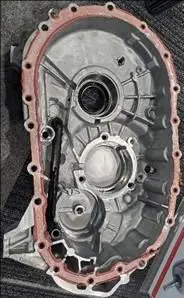
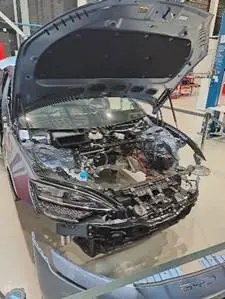
During the event, a BYD Seal vehicle was taken apart, allowing these differences to be assessed and opportunities for the manufacture of new parts to be identified.
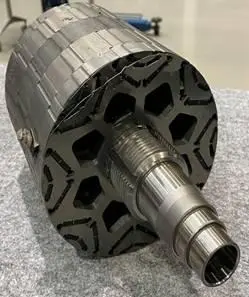
Furthermore, the approach also involved studying new mobility trends in society, particularly micromobility in major cities. Here, new emerging markets with business potential for Gonvarri Industries were identified, such as microcars and motorcycles with tubular chassis, as well as electric bicycles where there is high demand for electrical steel for the motors.
3.2. Culture of Innovation
In this regard, the dissemination of a culture of innovation within the company stands out, with the development of the new Innovation DRIVE hosted on the intranet.
This platform showcases the department’s various strategic lines, updates on current R&D&I projects, and the launch of a new Innovation Blog. The blog shares relevant market and technology news, as well as coverage of trade fairs and events of interest to keep abreast of the latest trends.
Similarly, several Auto Breakfasts have been organised. The aim of this initiative is to foster innovation, which is one of the hallmarks of Gonvarri Metal Structures’ business, with incremental improvements to existing products and the launch of new product lines onto the market, such as:
RecoRail, Road Steel’s new sustainable vehicle restraint system made from recycled polymer derived from waste plastics, materials that would normally be discarded. We hold quarterly meetings with the Auto Sales department to exchange technological knowledge and discuss trends in the automotive market. The aim is to gain a deeper understanding of developments in the sector, how they might affect the company, and to identify business opportunities.
3.3. Product Innovation
One of the key foundations upon which new businesses are built is product development. This is an ongoing activity which, in the 2025 financial year, in addition to incremental improvements to existing products within the Road Steel and Solar Steel sectors, has seen a significant impact through the development of the Electromobility Division, boosting product development in the automotive sector as well as in other business sectors.
Product.. destined for incineration or landfill due to their difficulty in being recycled. This approach reduces the amount of plastic waste and gives it a new lease of life in the construction of safety barriers. With this product, Road Steel is leading the way towards a greener and more responsible road infrastructure, with its own concept of sustainability based on a threefold objective: decarbonisation, circularity and resilience.
NoiseTech is a new business division dedicated to the research, development, design, manufacture and installation of acoustic engineering solutions for civil infrastructure (roads and railways), as well as for industrial applications. NoiseTech develops innovative solutions that minimise high noise levels, offering certified products that guarantee compliance with the acoustic and mechanical requirements of each project.
Gonvarri AgroTech is adapting its greenhouse models to the demands of the South American market to produce from GMS Colombia, marking a strategic step in its international expansion. This launch reinforces the commitment to offering innovative and highly competitive solutions with more efficient, versatile products that are aligned with new opportunities in the agro-industrial sector.
The improvements implemented by Solar Steel in single-axis trackers (TracSmarT 1P and TracSmarT 2P) and in fixed structures (RackSmarT) have increased the competitiveness of these products and enabled a more effective response to the needs of the global market.
In the field of researching new materials that enable entry into other business sectors, the Innovation Department has continued its strategy of developing sustainable SMC composite materials. These materials are of great value in sectors where additional properties are required that metal cannot provide, such as weight reduction and corrosion resistance. We collaborate with research centres and potential customers to develop sustainable SMC solutions for the heavy transport, construction and electrical sectors, opening up opportunities for diversification within the company.
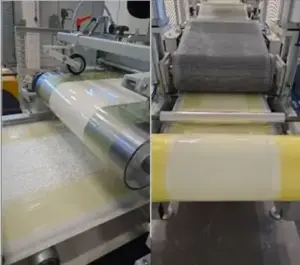
As part of this collaboration, a milestone has been reached in-house, with 100 kg of SMC material being manufactured for the first time on Gonvarri’s pilot line, located at the AIC (Boroa) facilities. Furthermore, processing tests on SMC parts were carried out at a potential client’s premises.
Furthermore, Gonvarri has participated as a supplier of SMC material in the Light2Move project, securing the first sale of this material. The SMC supplied was used to manufacture prototype components for a more sustainable vehicle concept.
As part of its composites strategy, the Innovation Department aims to continue developing SMC material and enhance it with new functionalities, such as fire-retardant properties and electromagnetic shielding, for applications in electric vehicle battery boxes. In this regard, at the end of 2025, it submitted the BatBox project to the COCREA call for proposals organised by CSIC. It has finally been awarded a total budget of €250,000 and a grant of €50,000.
Similarly, the product development by H2Greem can also be included in this area; the company has succeeded in developing a 250kW electrolysis stack, thereby offering equipment that is more efficient, cheaper and more energy-efficient.
3.4. Process Innovation
In this area of activity, Gonvarri Industries is committed to incorporating new processes that enable the acquisition of knowledge regarding industrial solutions, with the aim of adapting to market trends.
From this perspective, and with a view to improving performance in the field of sustainability, the HYGreen BCNA project is being developed. This involves implementing a green hydrogen generation system for use in boiler combustion, thereby reducing CO2 emissions within Scope 1. This hydrogen system, through the installation of 300 kWp of solar photovoltaic power and a 100 kW electrolyser, will enable the mixed combustion of hydrogen and natural gas, thereby achieving a significant reduction in CO2 emissions at the Barcelona plant.
This system was installed in 2025 and will be commissioned in the early months of 2026. Another initiative focusing on process innovation relates to the development of H2Greem, a group subsidiary specialising in the design, manufacture and supply of PEM electrolysers, which has secured its first sale of equipment for a cogeneration turbine cooling process – a new, innovative solution aimed at optimising a customer’s process. In this way, as well as developing a new line of business, this enables a focus on the decarbonisation of industrial processes, both the group’s own processes and those of H2Greem’s industrial customers.
3.5. Value chain
In line with the Department’s remit to identify new value chains in other sectors, work has been carried out on the technological and market assessment of the unmanned aerial vehicle (UAV) sector.
Here, there has been exponential growth in the demand for drones for logistics, agriculture and construction site inspection. In Europe, a compound annual growth rate (CAGR) of 64% is expected over the next 10 years in the logistics sector alone. In this regard, Gonvarri Industries could face two opportunities: entry into a new, booming market and the development of lightweight structures, which would align with the innovation department’s focus on composite materials.
At Gonvarri Industries, we understand that our relationship with the communities where we operate is an essential part of our identity. Our commitment is not limited to meeting external expectations: we seek to provide real, measurable and sustainable social value. This vision translates into a structured approach, based on active listening, rigorous analysis and close collaboration with our employees and local stakeholders, to ensure that every project responds to real needs and generates a tangible positive impact.
Our management approach: listening, understanding and transforming
Social impact management begins with a fundamental principle: listening genuinely. For Gonvarri, understanding the reality of our employees and the communities around us is essential to bringing about meaningful change. Therefore, each workplace carries out local assessments, creates spaces for dialogue, holds meetings with local social organisations and implements active listening mechanisms that enable us to identify real needs and assess social risks.
This listening process is complemented by a data-driven strategic vision. To this end, we will begin working with an impact measurement platform, COMGO, which we will use to systematically record and report on our initiatives and the progress associated with them. This approach will allow us to combine the evidence we obtain through the platform with the qualitative and quantitative information we gather at each factory, thereby achieving a balance between local perception and data-driven analysis. In this way, we will be able to tailor our decisions and actions to the real needs of each community.
Dialogue and participation
Our model is based on participatory governance. The factories, as units connected to their local context, lead the implementation of initiatives, in coordination with the Corporate Social Responsibility Department.
This approach ensures that each project is the result of a mature relationship with the local area: a relationship based on trust, shared responsibility and a common desire to build well-being. We aspire to be a neighbour who cares, contributes and belongs, and an ally in community development.
Professional impact management: projects that generate real change
Our initiatives are designed in a structured manner, with clear objectives, a defined methodology, allocated resources and monitoring criteria that enable us to assess their scope and results.
Each initiative is underpinned by four strategic pillars:
Inclusion
Community and Sustainable Development
Health and Wellbeing
Environmental and Social Awareness
This project-based approach ensures that the capital invested translates into a verifiable, traceable social benefit aligned with the corporate strategy, thereby guaranteeing the efficiency and real impact of our actions.
Monitoring, evaluation and continuous learning
initiatives at each factory, analysing their progress, the advances made and any emerging needs for improvement
Evaluation not only helps us check whether we are achieving our proposed objectives, but also allows us to learn from experience, adjust our actions and continuously improve our working methods. This process of constant review ensures that our actions evolve, adapt to changes in the environment and maintain their social relevance over time.
Specific topics: The social contribution of our factories takes the form of specific projects that combine community participation, strategic partnerships and actions aimed at generating visible change. Below are some of the projects carried out in 2025 that reflect this commitment and the impacts achieved.
Socio-Sporting School – Gonvarri Colombia
This programme is run in collaboration with the Real Madrid Foundation and aims to promote personal and social development through sport and education in values. The initiative brings together the children of Gonvarri Colombia employees with children from the San Bernardo community, thereby strengthening the bond between the plant and its immediate surroundings.
Currently, the Social Sports School has 63 participants, of whom 21 are girls and 42 are boys. In terms of their background, 26 are children of Gonvarri employees, whilst 37 belong to the local community of San Fernando, reflecting the inclusive and open nature of the project.
The programme has been developed in several progressive phases, demonstrating its growth and consolidation: an initial stage focused on the participation of employees’ families, followed by the creation of a family support group; subsequently, the promotion of corporate volunteering; and, finally, the opening of the project to the local community.
External studies carried out by the Real Madrid Foundation indicate that, in initiatives of this kind in Colombia, 95.8% of beneficiaries improve their academic performance, and participating families report significant improvements in physical well-being and the adoption of healthy lifestyle habits.
The combination of internal and community participation makes this school a safe, stable and transformative space, which fosters integration between employees’ families and the residents of San Bernardo, strengthens social cohesion and creates real opportunities for personal and social development for the participating children.
Corporate Volunteering – Gonvarri Argentina
Partnerships with Fundación Empujar and Fundación ADA
In Argentina, Gonvarri promotes corporate volunteering as a key tool for enhancing the employability of young people and women in vulnerable situations, through strategic partnerships with Fundación Empujar and Fundación ADA.
The project is aimed, on the one hand, at young people seeking their first job, who are participants in the Fundación Empujar programme, and on the other, at women interested in professional development in the technology sector, through the training programmes of Fundación ADA. Both lines of action respond to the common objective of reducing barriers to accessing the labour market and promoting sustainable career opportunities.
As part of the collaboration with Fundación Empujar, eight corporate volunteers from Gonvarri Argentina are actively involved in supporting young people throughout their training process. Activities include personalised mentoring, mock interviews, soft skills workshops and specific support to prepare them for entering the workforce, reinforcing key skills for accessing formal employment.
In addition, together with the ADA Foundation, Gonvarri has developed a strategic partnership aimed at facilitating women’s access to the IT sector. Through this collaboration, the programme promotes technological training, training in digital tools, programming and skills geared towards employment in technology, helping to overcome structural barriers to entry into the digital sphere.
This corporate volunteering programme reinforces Gonvarri Argentina’s commitment to social inclusion, equal opportunities and talent development, whilst encouraging the active participation of its employees in initiatives with a direct and measurable social impact.
Soup Kitchen – Gonvarri Argentina
Partnership with La Casa del Niño María de la Esperanza
Gonvarri Argentina maintains a charitable partnership with La Casa del Niño María de la Esperanza, an institution dedicated to the support and holistic development of young children in vulnerable circumstances. This collaboration is based on the collective commitment of everyone at Gonvarri Argentina, strengthening the bond between the company and the local community.
The project focuses on supporting children in the community, promoting safe, caring and appropriate environments for their physical, emotional and social development.
Among the key initiatives undertaken is active participation in improving the facilities, such as the recent installation of rubber flooring, which enhances the safety and comfort of the spaces used by the children.
Furthermore, the partnership provides priority access for Gonvarri Argentina families, who can bring their children to the centre, thereby strengthening the sense of community and the social bond between the company, its employees and the local area.
Reforestation Campaign – Gonvarri Mexico
“Seeds of the Future”
As part of its commitment to environmental sustainability and caring for the environment, Gonvarri Mexico actively participated in the 2025 Reforestation Campaign “Seeds of the Future”.
The initiative was carried out in collaboration with the National Chamber of the Processing Industry, local authorities and various environmental organisations, with the aim of contributing to the ecological recovery of the area, promoting the protection of local ecosystems and strengthening environmental awareness among the company’s employees.
The campaign saw the voluntary participation of Gonvarri employees, who were directly involved in the reforestation work, putting into practice values such as environmental responsibility, collaborative work and a commitment to sustainable development.
This type of initiative enables the organisation to make a tangible positive impact on the local area, whilst fostering an internal culture.
“Your story really matters” – Gonvarri Burgos
The “Your story really matters” project, developed in partnership with the Lo Que De Verdad Importa (LQDVI) Foundation, aims to preserve and highlight the life stories of retired employees, recognising their legacy and strengthening intergenerational connections within the factory.
The initiative involves five volunteers from Gonvarri Burgos who, after receiving training in interviewing techniques and active listening, collect testimonies, anecdotes and lessons learnt from five retired employees, the direct beneficiaries of the project. The accounts are then edited and compiled into a book containing the full stories.
This project generates a significant social impact in three areas:
Recognition and honouring of the professional and personal legacy of retired employees.
Active participation of corporate volunteers, which strengthens the sense of belonging and contribution.
Preservation of the plant’s collective memory, creating an emotional bridge between generations.
Corporate Volunteering with the Juan XXIII Roncalli Foundation – Day out at Puy du Fou
This year, corporate volunteering with the Juan XXIII Roncalli Foundation once again brought together a large number of employees and their families, establishing itself as one of the company’s most popular initiatives. More than 160 volunteers came together to accompany the organisation’s beneficiaries on an inclusive day out at the Puy du Fou theme park, creating an atmosphere of camaraderie, support and shared enjoyment.
During the activity, the volunteers offered close companionship, emotional support and personalised assistance, helping the participants to fully enjoy the experience in a safe and accessible environment. These days out are essential for promoting the social inclusion of people with disabilities, as they help to strengthen their independence, self-esteem and sense of belonging, whilst raising employees’ awareness of diversity and the importance of support.
The collaboration with the Juan XXIII Roncalli Foundation reflects Gonvarri’s commitment to initiatives that combine active employee participation, stable partnerships with social organisations and transformative experiences for everyone involved.
DIVERSICAMP – Inclusive Camp
In 2025, Diversicamp was launched, an inclusive camp developed in partnership with the Juan XXIII Roncalli Foundation, aimed at employees’ children aged between 3 and 7. The programme had 40 participants. In addition, several grants were awarded to enable children supported by the Juan XXIII Foundation to take part, thereby reinforcing the project’s inclusive approach.
Over two weeks, the children took part in workshops and games organised into six themed worlds designed to promote values such as diversity, inclusion, respect and empathy. The activities were led by specialist staff and supported by people with disabilities.
The initiative contributed to work-life balance and raised awareness of disability from an early age.
In 2025, the company reinforced this approach through a consolidated portfolio of social initiatives that combine community engagement, strategic partnerships and corporate volunteering.
At corporate level, we have promoted eight projects with a positive social impact, developed in partnership with eight social partners, which have had an impact in various countries. The total investment allocated to these initiatives amounted to €446,000, reflecting our commitment to generating a measurable, sustainable impact that is aligned with the real needs of the communities in which we operate:
LQDVI (since 2014): support was provided for seven national in-person conferences in Seville, A Coruña, Valencia, Bilbao, Barcelona, Zaragoza and Madrid, and the partnership continued for the development of the ‘Your story really matters’ project at Gonvarri Burgos.
AESLEME (since 2013): the Emotional Driving project continued, aiming to bring about behavioural and cultural change in school road safety, with a focus on consolidating safe mobility habits and social norms among pupils in schools and educational centres in Madrid and Castile and León.
World Central Kitchen (since 2013): support was provided for its food response work in emergencies and humanitarian crises, ensuring access to safe and nutritious food for those affected, prioritising areas where the company’s factories are located.
Real Madrid Foundation: the collaboration was structured around three complementary strands: firstly, a road safety awareness programme through sport that integrates safe mobility values and content into inclusive football and basketball activities aimed at children and people with disabilities; secondly, a social inclusion and child protection programme to promote the holistic development of vulnerable children in care homes; and thirdly, the continuation of the Gonvarri Colombia Social and Sports School, which promotes the holistic development of employees’ children through sport, values education and socio-educational support.
Juan XXIII Roncalli Foundation: we collaborated on its training project which facilitates access to intermediate vocational training through adapted training, grants and the removal of economic and social barriers for people with intellectual disabilities. Furthermore, in 2025, a corporate volunteering day was organised in conjunction with its sports and leisure club and the inclusive camp, Diversicamp, for employees’ children alongside children benefiting from the foundation.
SERES Foundation: we participated in the integration of sustainability and social responsibility into the business fabric.
Princess of Girona Foundation: Support was provided for its programmes to develop young talent and strengthen initiatives aimed at improving employability, training and youth leadership, with a particular focus on the Special Intervention Plan for Young People in Valencia, launched in the wake of the severe effects of the DANA.
Polo Positivo: Gonvarri participates in Polo Positivo as a founding partner, an initiative aimed at promoting industrial entrepreneurship and attracting new productive projects to the province of Burgos. Through this collaboration, the company contributes to local economic development and the creation of quality jobs, reinforcing its commitment to the region’s industrial fabric.
Gonvarri Mexico Reforestation Campaign
Gonvarri Colombia Social Sports School
Sustainability Endorsements
Sustainability commitments are formal pledges through which Gonvarri Industries joins initiatives, associations or collaborative frameworks aimed at promoting responsible practices in environmental, social and governance matters. These commitments involve accepting principles, criteria or courses of action that require the implementation of management improvements, reporting on progress and actively participating in sectoral or multi-sectoral dialogue forums. Their value lies in the fact that they enable corporate actions to be aligned with growing expectations of transparency, rigour and accountability, thereby strengthening the organisation’s credibility with customers, stakeholders, public authorities, employees, the local community and other interested parties.
In sectors such as ours, these commitments take on additional strategic importance. Companies in the sector face particularly demanding material challenges, such as reducing energy consumption and greenhouse gas emissions, improving efficiency in water use and treatment, mitigating air pollution, the responsible management of materials and waste, protecting employee health and safety, and preventing conduct associated with corruption. Participating in external initiatives focused on these areas enables companies to share knowledge, promote common standards, anticipate regulatory requirements and accelerate their own transition towards more sustainable, safe and transparent production models.
In this way, sustainability commitments are not merely a public demonstration of commitment, but a practical mechanism for integrating sustainability into business management in a structured manner. They facilitate access to best practices, tools for continuous improvement, governance approaches and benchmark methodologies that strengthen the organisation’s capacity to respond to the risks and expectations of its environment, particularly in a resource-intensive and regulated sector such as the steel industry. Their adoption therefore helps to reinforce the alignment between corporate strategy and ESG objectives, as well as demonstrating active participation in building a more responsible and resilient industrial ecosystem.
Below is a list of external organisations with which the company collaborates and to which it is formally affiliated within the framework of its ESG governance:
All the organisations listed meet the most relevant sustainability criteria for our sector, including the reduction of energy consumption and greenhouse gas emissions, efficiency in water use and treatment, the mitigation of air pollution, responsible management of materials, chemicals and waste, working conditions—including the rejection of child labour, forced labour and human trafficking, discrimination and harassment—the protection of staff health and safety, and the prevention of corruption.
Furthermore, all of them meet the minimum requirements to be considered formal memberships, have formalised membership processes, do not limit membership to the mere payment of a fee, address one or more of the sustainability criteria relevant to Gonvarri Industries, and require their members to effectively internalise the commitments undertaken.